And The Winner Is…

The results of the 12th Annual Connecticut Specialty Food Product Awards Competition were announced this morning. We are pleased to report that Sunset Meadow Vineyards in Goshen, CT was awarded 2013 Wine Product of the Year for their outstanding 2010 Midnight Ice.

"We are proud of our entire staff for all of their efforts and share with them the recognition for this achievement," stated George Motel, owner of Sunset Meadow Vineyards and vice president of the Connecticut Vineyard and Winery Association. "This is confirmation of the ability to create a quality wine that is also a genuine Connecticut product."

This was only the third year that Connecticut wines were included in what was formerly a food and non-alcoholic beverage competiton. All of the wines submitted were required to be made from 100% Connecticut grown fruit. The Connecticut Specialty Food Association (CSFA) received 28 submissions from 5 wineries.

"We applaud the CSFA for conducting the state's only competition that requires every wine to be made from 100% Connecticut grown fruit," said Motel, "and for recognizing the contribution of those wineries that work to produce these wines."

After participating in the judging last week, Renee B. Allen, director of the Wine Institute of New England, shared the four wines from among her favorites that she picked as likely to appear in the winner's circle. All four of the wines chosen were awarded first place finishes in their respective categories. To read Allen's impressions of these wines, visit http://wineinstituteofnewengland.com/judging-connecticut-wines-for-the-ct-specialty-food-association/

Analiese Paik, founder of the Fairfield Green Food Guide, served as a specialty food judge and was happy to see all of her picks for best products receive an award. For a complete list of food winners from the competition and to read about Paik's favorites, visit http://fairfieldgreenfoodguide.com/2013/04/02/2013-ct-specialty-food-award-winners-announced/  

And the wine winners are…


THE CT SPECIALTY FOOD ASSOCIATION’S

2013 PRODUCT AWARDS COMPETITION WINNERS:

2013 Wine Product of the Year

Sunset Meadow Vineyards, Goshen, CT

Midnight Ice 2010

MidnightIce


Wine – Blush


1st Place             Sunset Meadow Vineyards, Goshen, CT, Sunset Blush, 2010

2nd Place            Bishop’s Orchards Winery, Guilford, CT, Amazing Grace


Wine – Dessert


1st Place             Sunset Meadow Vineyards, Goshen, CT, Midnight Ice, 2010


2nd Place            Taylor Brooke Winery, LLC, Woodstock, CT, Corot Noir, 2011


3rd Place             Taylor Brooke Winery, LLC, Woodstock, CT, Woodstock Valley Red, 2010


Wine – Dry Red


1st Place             Jones Winery, Shelton, CT, Cabernet Franc, 2010


2nd Place            Sunset Meadow Vineyards, Goshen, CT, St. Croix, 2008


3rd Place             Jonathan Edwards Winery, North Stonington, CT, Cabernet Franc, 2011


Wine – Dry White


1st Place             Sunset Meadow Vineyards, Goshen, CT, Cayuga White, 2010


2nd Place            Taylor Brooke Winery, LLC, Woodstock, CT, Wine Dog 1, 2011


3rd Place             Taylor Brooke Winery, LLC, Woodstock, CT, Woodstock Hill White, 2011


Wine – Fruit


1st Place             Bishop’s Orchards Winery, Guilford, CT, Hyland Red


2nd Place  TIE    Bishop’s Orchards Winery, Guilford, CT, Celebration

              Bishop’s Orchards Winery, Guilford, CT, Honey Peach Melba


3rd Place             Bishop’s Orchards Winery, Guilford, CT, Happily Impeared


Wine – Other White


1st Place             Jones Winery, Shelton, CT, Woodland White, 2011


2nd Place            Bishop’s Orchards Winery, Guilford, CT, Hard Cider – Semi-Sweet


3rd Place             Sunset Meadow Vineyards, Goshen, CT, Blustery Blend, 2010


Wine – Rosé


1st Place             Taylor Brooke Winery, LLC, Woodstock, CT, St. Croix Rosé, 2011


2nd Place            Sunset Meadow Vineyards, Goshen, CT, Rosé, 2011


3rd Place             Jones Winery, Shelton, CT, Rosé of Cabernet Franc, 2011


You can visit the Connecticut Food Association at www.ctfoodassociation.org

Judging Connecticut Wines for the CT Specialty Food Association

I had the pleasure again this year of being involved in the Connecticut Specialty Food Association's Product Awards Competition. The competition was held at the Aqua Turf Club in Plantsville. Although this was the Competition's 12th year, it is only the third year that Connecticut wines have been included in the competition and the judging was intense. A total of 28 wines were submitted by five wineries for judging in seven different categories: dry white, other white, dry red, rose, blush, fruit and dessert. Only wines made from 100% Connecticut grown fruit were allowed to be entered into the competition. 

The wines were blind tasted with only the vintage and fruit or grape variety being revealed. Each wine was judged on its appearance, aroma, body, taste and finish. Judges conducted their individual assessment of a wine and, once all scores and notes had been recorded, some lively discussions ensued. Although the judges were often in agreement, there was some debate over the course of the 3-hour tasting, with each judge having his or her particular favorites. Some general observations were the fact that Connecticut wines continue to improve and that no serious flaws were detected. One judge was particularly excited to award one of the wines he tasted a perfect score. 

The Connectiuct Specialty Food Association is now charged with the task of tallying up the scores and awarding the winners of each category. Once the list comes out, we will publish it here. In the meantime, here are a few of the wines that particularly stood out for me. I would not be suprised to see them in the winner's circle.

Sunset Meadow Vineyards Sunset Blush – a delicately sweet wine with hints of citrus, plum and blueberries, this wine earned one of my top scores for both its structure and balance. From first sniff to lingering finish, this wine provides a rewarding experience. 

Jones Winery Cabernet Franc – made from my favorite red grape grown in Connecticut, this dry red wine hit the mark with its earthiness and black cherry notes. Nicely balanced.

Bishops Orchards Winery Hyland Red – made from farm fresh raspberries, this wine captures the essence of the fruit with a journey that begins with heady aromas and sweetness and ends with a pleasant, tangy tartness.

Sunset Meadow Vineyards Midnight Ice – one of only two ice wines being made Connecticut, this sweet nectar burst with tropical aromas and flavors like mango and lychee. Perfectly intoxicating.

The Crémant of the Crop

I recently had to face the horrifying self-realization that I am a hoarder. I am not sure of the exact moment I made this realization. That slight tinge of recognition when I saw a few minutes of a reality TV show on the subject? When I started having to ban houseguests from opening certain closets or even bedroom doors? I don’t know. But I buy things I think are wonderful and beautiful and then decide they are so wonderful and beautiful that I can’t possibly sully them with use. And so they sit, in packages, with labels still intact. If I ever mention wanting something in the presence of my mother, she tells me to go shopping in my closet first. She is sure I will find it there, whatever it is. She is usually right.

This hoarding instinct tends to permeate my wine buying habits as well. I find a wine I am incredibly excited about and carefully store it away because I can’t possibly bring myself to drink it and then be faced with the harsh reality that I no longer have it. For a while, I tried purchasing two bottles of every wine that excited me – one for now, one for later – but that got to be expensive. I decided just recently that it was time to start enjoying some of these beautiful and wonderful things before I was no longer around to do so. After all, things happen. And so, this is how on a recent Sunday evening I came to be drinking a delightful wine that had been chilling in my wine refrigerator for longer than I could remember. What had I been waiting for?

The wine was Jean-François Ganevat Crémant du Jura “La Combe” Rotalier, a sparkling wine from the fascinating wine region of Jura in eastern France. Jura, from which the term Jurassic comes, has topography similar to that found millions of years ago with the key soil types being limestone and marlstone. I was incredibly pleased with the wine. Its lovely pale amber hue with delicate bubble ballet immediately belied any notion that this was going to be just another Champagne wannabe. The nose was abundant with fruit. Pears and stone fruits such as peach and apricot flooded my taste buds and then were quickly enveloped by a pronounced biscuitiness that lingered for several glorious moments. It was during one of these moments that I recalled why I had purchased this particular bottle of wine. It was produced using biodynamic agriculture. Jean-François Ganevat converted his family’s estate in Rotalier to biodynamics in 2006 after returning from Burgundy where he spent time in the company of natural wine enthusiasts. Ganevat’s methods include minimal intervention with nature while growing his grapes as well as minimizing intervention in the winemaking process. For example, he limits his use of sulfur to a bare minimum. I have yet to try a biodynamic wine I do not like. This wine was no exception. And that was the most wonderful and beautiful thing of all. 

For Some, Every Day is Earth Day


This month, while contemplating what Earth Day means to different people, I was struck with the notion that, for biodynamic winemakers, every day is Earth Day. This belief was recently demonstrated when I had the pleasure of meeting Johan Reyneke, a biodynamic winemaker from South Africa. In fact, he claimed to be the only biodynamic winemaker in South Africa. I am an advocate of organic, biodynamic and sustainable winemaking and am thrilled when I find people committed to producing products farmed with these methods. What pleased me even more were the wines themselves. Fresh, clean, complex without being aggressive – they were the definition of terroir driven wines.

Johan Reyneke, owner of Reyneke Wines, took over farming activities from his mother in 1998 on their family farm, which faces the historic town of Stellenbosch in South Africa. Reyneke began his vineyard using conventional agricultural methods. He soon moved to organic methods, eventually converting completely to biodynamic farming and winemaking methods. It is his belief that biodynamic principles produce high quality wines that are truly terroir specific. Reyneke’s non-interventionist style of winemaking seems to be paying off. His wines have been warmly received, garnering approval from a wide range of critics including Wine Spectator and Wine Advocate.

Mr. Reyneke was pouring two of his wines on the day we met. The first was his 2010 Sauvignon Blanc. This wine had recently received a wine rating of 90 points from both Wine Spectator and Wine Advocate. I prefer my Sauvignon Blanc to be a bit more subtle than some of the rather aggressive wines coming out of New Zealand that are so popular now. This wine fit the bill perfectly. More mineralic than fruity, it still showed delightful notes of stone fruits, mostly peach, that were well balanced by the light-handed barrel treatment.

The second wine was Reyneke's 2010 Capstone Red, a blend of cabernet sauvignon, merlot and cabernet franc. I confess, I am a big cabernet franc fan. Its rustic earthiness reminiscent of mushrooms, tobacco, and wet forest floor is pleasing to my palate. These traits were detectable in this chewy wine, along with notes of vanilla and espresso, figs and a touch of spice. Enjoyable to drink now, this wine will mellow nicely over the next couple of years.

Before taking my leave, Mr. Reyneke presented me with yet one more thing I found delightful – his calling card. Made by Mr. Reyneke with recycled paper, it is embedded with herb seeds. The writing on the card encourages the holder to plant it and grow herbs that can be enjoyed with Reyneke’s wines. I have been thinking of planting it for a month now but I enjoy seeing it and being reminded to pick up another bottle of his well-crafted wine. 

Organic Wines Were For The Birds

Last month, Audubon Greenwich hosted a farm-to-table wine dinner that was a celebration of organic, biodynamic and sustainably produced food and wine. Chef Marc Alvarez of Bedford Hills, NY created a dizzying array of delectable appetizers, followed by a 3-course gourmet meal. The reception appetizers and three courses were paired with wine by Wine Institute of New England. For those guests who are curious to know a little more about what they drank that night, and for all others who seek to learn about organic, biodynamic and sustainably farmed wines, I have decided to write up my notes from the evening. Cheers!

For the reception, Chef Alvarez treated guests to a delightful selection of canapés that included cheese, vegetables and beef. What to pair with such a broad array of foods? Cava, of course! Sparkling wine creates a festive mood and, being high in acid, helps to cleanse the palate between bites, allowing the taster to fully enjoy the various and distinct flavors.

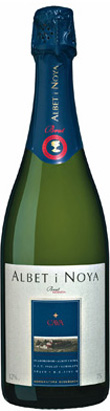
Albet I Noya Cava NV

I chose Albet I Noya Cava NV Brut Reserva. Cava, Spain’s sparkling answer to Champagne, was first produced in the 1870’s after winemaker Jose Raventos visited France and tried champagne for the first time. Cava is traditionally produced from three native grapes, parellada, xarel-lo and macabeo (also known as viura), although in the ‘80s, other grapes were authorized for cava production, including pinot noir and chardonnay. Although the denominacion de origen for cava is based on method, not location, 95% of cava is produced in Cataluna with San Sadurni de Noya considered cava’s spiritual home. The traditional methode champenoise is followed, although somewhat less rigorous procedures are implemented than those for champagne.

In 1978, Josep Maria Albet I Noya, who was known to be a strict vegetarian, was approached by a Danish company in search of an organic wine producer for the region. After a successful initial wine was produced, Josep Maria embraced organics and converted to a completely organic vineyard. He was the first in Spain to do so. The vines are treated with green compost rather than chemicals, copper hydroxide is used instead of copper sulphate, the vines are managed to produce lower yields and the amount of sulphur dioxide used in the cellar is approximately half that used in conventional winemaking. All of the yeasts used for fermentation are indigenous to the Penedès region. Since 2004, the winery has been slowly increasing its biodynamic treatments.

The degorjat for this cava (the process of removing the lees from the neck of the bottle) is done manually and the date of degorjat is printed on the bottle labels. This is important because ideally cava should be drunk within one year of degorjat. This sparkler showed great acidity with citrus notes, crisp minerality and an overall clean and well-balanced presentation. And as a tribute to Josep Maria, it is vegan.

Roast Pumpkin Soup with Wilted Sage

For the appetizer, a pumpkin soup seasoned with sage, I chose Bonterra Viognier from Mendocino, California. Viognier, native to the Rhone in France, is a heady, succulent, sexy grape. In France it is typically drunk as vins de pays and is often blended with Syrah. In California, this hefty grape is allowed to ripen more fully which results in a dark yellow wine with high alcohol and seductive aromas of apricots, peaches, blossoms, honey and tropical fruit.

Bonterra produces certified organically grown grapes on its 378 acres. Organic since 1987, the vineyard is sustainably maintained incorporating beehives, free range chickens, sheep and bird boxes. This luscious viognier is blended with two other Rhone grapes, rousanne and marsanne, as well as muscat. The result is a rainbow of aromas including peach, honeysuckle, jasmine, apricot and vanilla. This intoxicating wine, which displayed just a hint of oak, was elegantly balanced between crispness and creaminess.

A choice of entrees provided WINE with an opportunity to showcase some additional wines. For the lamb dish, I decided to brave uncharted territory and pair it with a grape that is not well known, but is certainly worthy of great attention – tannat. Tannat, indigenous to Southwest France and one of the oldest varieties in all of France, is one of the four most tannic grapes in the world. This grape is so high in tannins that the procedure of micro-oxygenation was actually invented specifically to tame this grape. It is often blended with varieties such as cabernet sauvignon, cabernet franc and merlot to soften its tannins. Tannat was taken to Uruguay in the nineteenth century where it is now flourishing. The difference in climate and terroir produce a grape that, while still in high in tannins, creates wines of superb quality when produced in low yields.

Duo of Lamb with Wild Hive Polenta & Spigarello

I was thrilled to treat the guests to Bodegas Carrau Ysern Tannat from Uruguay, having just met the winemaker, Dr. Francisco Carrau, the week before the event. With roots in Catalonia, Spain dating back to 1752, the Carrau’s moved to Uruguary where they have been at the forefront of innovative winemaking since 1930. Bodegas Carrau was the first to export wines from Uruguay, they introduced the idea of using tannat for top reds in 1973, and in 1997, they built one of the most innovative wineries into the side of a hill to capitalize on low-input winemaking. Bodegas Carrau employs organic and sustainable methods, uses indigenous yeasts and makes some of their wine without the addition of sulfur. Their Ysern Tannat spends 20 months aging in French and American oak and was reminiscent of dried fruit, dark chocolate and oranges. For those of you familiar with Barcelona Restaurant, they have recently added Bodegas Carrau wine to their award-winning wine menu.

Guests who chose the Farro Risotto for their entrée had a choice of red or white wine. For the red, I selected the biodynamic Nuova Cappelleta Barbera del Monferrato Minola. Barbera is the third most planted red grape in Italy after montepulciano and sangiovese. This high acid and richly pigmented grape is native to Piedmont. Sadly, in 1984 there was a methanol scandal that caused people to shy away from this delightful grape for some time. I am glad to see this late-ripening, grape making a well-deserved comeback.

Nuova Cappelleta Barbera del Monferrato Minola

The color alone is a treat and, in fact, the barbera grape is often used to “correct” the color of nebbiolo, the grape used for Barolo. Founded in 1965, the 520-acre estate at Nuova Cappelleta was certified as a biodynamic farm in 1984. The daughter and grandson of the founder hand harvest the grapes and use indigenous yeast for these vegan wines. This reserve wine, which was aged in French oak for twelve months and then in the bottle for another six, was a rich ruby red. 100% barbera, the wine had distinct aromas of vanilla and cinnamon, an excellent structure and was well balanced. I have had the pleasure of tasting their entry-level barbera and highly recommend it, as well.

For those risotto eaters desiring a white wine with their main course, I offered another biodynamic selection, a Domaine de Zind Humbrecht Pinot Gris from Alsace. Pinot gris is a mutation of pinot noir. Although native to Burgundy, France, pinot gris is most familiar and revered in Alsace. The grape is known as pinot grigio in Italy, and there is actually more planted in Italy and in Germany than there is in France. In the United States, it is the number one planted white in Oregon, where they produce a style similar to that made in Alsace – high acid, medium to full body, neutral aromas of apple and pear. These wines are generally quite rich, dry and gently perfumed. In 1997, Olivier Humbrecht began his first organic and biodynamic vine trials, receiving biodynamic certification in 2002. M. Humbrecht has stated that his conversion to biodynamic farming was inspired by the effects he perceived from the high quality compost used in this method. The pinot gris had a deep golden color which evinced extra ripeness. The aromatics included cocoa, peach, pear, and some nutty scents. Very complex, the wine was big, bold and firmly acidic with honey, exotic spice and bergamot notes.

To complement the apple tart dessert, I treated guests to a very special dessert wine produced from chenin blanc. Another highly acidic grape, chenin blanc, a native of the Loire, can be long-lived and is used to make wines from dry to sparkling to sweet. This grape is also popular in South Africa where it is often referred to as steen and, in fact, twice as much chenin blanc is planted there than in France. Terroir plays a critical role in the production of wines made from chenin blanc. The dessert wines typically have a concentrated honey flavor with strong dairy tastes, such as clotted cream or sour cream. I was fortunate to obtain an excellent example of this dessert wine from Anjou-Saumur in the Loire, Domaine de Mihoudy. Produced by Cochard et Fils, a sixth generation sustainable winemaking estate, this floral and elegant wine with hints of honey and orange blossoms was the perfect mate to the evening’s final course.

List of Wines with Prices:

Albet I Noya Cava NV, Spain     $20

Bonterra Viognier 2007, California     $13

Bodegas Carrau Ysern Tannat 2005, Uruguay     $16

Nuova Cappelleta Barbera del Monferrato Minola 2006, Italy     $16

Domaine de Zind Humbrecht Pinot Gris 2009, Alsace     $22

Domaine de Mihoudy Chenin Blanc, Anjou-Saumur     $30

Wowed by the West Street Grill

I recently spent a lovely weekend with friends enjoying Connecticut wine and food in Litchfield County, the culmination of which was a multi-course lunch at West Street Grill. Following are our impressions of the food and wine.

By Analiese Paik and Elizabeth Keyser

Wine Review by Renée B. Allen


New restaurants get all the buzz, but on day two of the Litchfield road trip it was easy to pass up the darling of the moment for the real thing: a long-established restaurant that puts care into the entire experience of its guests.

Yes, we’re talking about the West Street Grill in Litchfield. For over 20 years restaurateurs James O’Shea and Charles Kafferman have been serving excellent New American food with a French/Mediterranean influence. A day or weekend trip to Litchfield is not complete without a meal at this iconic restaurant, which is known for being a haunt of many well-known actors and writers. O’Shea was once asked why so many celebrities eat there. “We leave them alone,” he replied. Actually, he takes very good care of his guests and is known for telling a funny story — or two or three.

The black and white photos in the front dining room are from a 1950′s photo collection that are rotated regularly. The old-world feel immediately gives you the impression that they take food and hospitality very seriously.

In the back dining room where renovations are well underway, the Mediterranean style plates decorated with fruited lemon and olive sprigs appeared as the tables were turned for dinner service. The original rattan French bistro chairs are caned in a dark green and ivory open weave, true to the original style, and a perfect match for the restaurant’s awning colors.

The French bistro-inspired atmosphere is inviting, the service is on a professional level rarely seen, but West Street Grill is really about the food. It was one of the earliest proponents of farm-to-table (“before the term was coined,” says O’Shea), and at a recent lunch, the fresh ingredients were the stars in the room. Executive Chef Jimmy Cosgriff is the star in the kitchen.

The West Street Grill picks up fresh tomatoes, basil, blueberries, peaches, lettuces and arugula from local farms. Dean’s Farm Stand in Fall’s Village provides beets, basil, potatoes and some tomatoes. Waldingfield Farm in Washington, a certified organic vegetable farm that grows a variety of heirloom tomatoes, is another source. Milk from local farms is used to make the house ricotta. O’Shea grows some of his own tomatoes, organically of course, as well as rhubarb, lettuces, and large amounts of herbs like lovage, chives, Russian and pineapple sage, lemon balm, tarragon, horseradish, opal shiso and purple basil. “We are heavy chive and basil users,” he said. He buys all his vegetable seedlings from USDA organic grower Gilbertie’s Herb Gardens. Honey, maple syrup and some other products come from the farmers’ market. West Street Grill also uses Baldor, which sources from local farms from a 300 mile radius.

Lunch was superb.

W.S.G. Locally Grown Tomato Salad with native basil, fleur de sel and 12 year aged balsamic vinegar

These perfectly ripe tomatoes were a natural starter for a hot day. They were rich in fresh, tomato flavor.

Parmesan Aioli Peasant Bread

Intensely flavorful with a satisfying crunch from the gratin and toasted house-made bread, this has been a house classic since 1990.

Sauteed Spinach

Baby spinach, picked up that morning from a local farm, was wilted and served simply to let the natural flavors shine. It melted like butter in the mouth.

Soup de Poisson, aioli and garden chives

Rich with roasted fish and vegetables, the soup was hearty and was flavored with fennel. It was topped with an understated aioli; a more forceful aioli would have overwhelmed the soup.

Shrimp Tempura

Gulf shrimp were skewered straight and perfectly cooked so they were meltingly tender on the inside, crisp and slightly golden on the outside. They were served with a refreshing salad of Napa cabbage, mango, cilantro, peanuts, Bermuda onion, carrot and pickled ginger along with sweet chili dipping sauce.

Pan Seared Silken Tofu

Triangles of fresh tofu lightly seared and served with wok-seared vegetables seasoned with scallion, cilantro, pickled ginger. The dish was topped with crispy rice noodles with sweet chili sauce.

Fresh, Wild, Day-Boat, Connecticut Fluke with potato puree, braised leeks, lemon caper coulis

The pan-seared fluke (summer flounder) was golden and crisp, yet so tender it was hard to believe it wasn’t breaded. “Nothing comes between a fish and my chef’s pan,” O’Shea told us. Hidden beneath the fish were ribbons of leek. The herbed potato puree was light and delicate, and was accented by the lemon caper coulis. This dishes hit the mark on both flavor and execution.


Moules Frites

The mussels were steamed in a gorgeous broth of garlic, lemon, white wine and tomato. The broth was clean, delicate and well-balanced. The fries were crunchy and delicious, especially when dipped into the saffon-scented aioli.

“Jimmy’s Ravioli” — Homemade Spinach and Gorgonzola Ravioli with garlic, grape tomatoes, basil, grana padano

Two plump pillows of light-as-air ravioli offered the perfect filling-to-dough ratio so the focus was on the filling, rather than the pasta that enrobed it. The filling’s silky smooth texture came from house-made ricotta from local milk, blended with spinach, gorgonzola and Parmesan cheese. A brothy, delicate sauce of fresh tomatoes, garlic, basil and grana padano created a very refined ravioli.

Dessert

A trio of coconut, raspberry and chocolate sorbets was refreshing and bursting with flavor – pieces of coconut, ripe raspberries, dark chocolate with no bitterness. None were overly sweet, which we appreciated.

Wine Review by Renée B. Allen

Casa Julia Sauvignon Blanc, Chile 2010

Our decadent dining experience began with a Chilean Sauvignon Blanc from Casa Julia, a vineyard with a solid, hands-on approach to sustainable agriculture. Chilean Sauvignon Blanc has progressed by leaps and bounds in the past 10 years. Winemakers have been exploring cooler regions in Chile for growing these grapes with phenomenal results. This example from Casa Julia exhibited many of the traits found in these successful plantings. To begin, slightly muted notes of tropical fruits danced on the nose, hinting at the riches to be found within. These tropical notes revealed themselves on the tongue richly, but without the aggression often associated with warmer climate Sauvignon Blancs. The midpalate opened to a wave of citrus which was followed by a crisply acidic and well structured finish. This wine is tailor-made for drinking with seafood and proved a worthy pairing for the Soup de Poisson.

The Vineyard at Strawberry Ridge Ascot Reserve Chardonnay, Western Connecticut Highlands 2008

For our second wine, James O’Shea insisted on what he claimed to be the best wine in Connecticut, the Ascot Reserve Chardonnay from The Vineyard at Strawberry Ridge in Connecticut. The vineyard owners, Robert and Susan Summer, have hired Connecticut vintner Jonathan Edwards to produce this wine. Probably the best traveled wine in Connecticut, from New York to Las Vegas all the way to Macau, the list of venues carrying this limited production wine reads like a celebrity “it” list. The vineyard’s most recent accolade is their production of the wines for the famed Rao’s restaurant in New York. The wine opened with aromas of vanilla, apple and caramel, delicately punctuated with hints of nutmeg. The first fleeting taste to tantalize the tongue was green apple, which quickly yielded to butterscotch on the midpalate from the use of French oak barrels during fermentation. The finish ended with notes of fig and citrus, and tongue-smacking astringency. Although this wine bore little resemblance to the flinty, mineralic, stainless steel fermented Chardonnays most commonly associated with Connecticut, it was an admirable example of the influence the vintner wields over the Chardonnay grape. This wine was a nice complement to the Pan Seared Connecticut Fluke, which might just have been the best fish dish ever to grace this wine taster’s lips.

Geyser Peak Cabernet Sauvignon, Alexander Valley 2007

The powerful, classic Geyser Peak Cabernet Sauvignon proved an excellent companion to the Homemade Spinach & Gorgonzola Ravioli. Everything a cab should be, this wine’s bouquet foretold the fruit and spice that awaited the taster. In a beautiful balance of fruit forwardness and medium tannins, black cherry and chocolate, accentuated by pepper, coated the palate, before succumbing to the lingering finish.

West Street Grill

48 West Street, Litchfield, 06759

www.weststreetgrill.com

Reprinted with permission from www.fairfieldgreenfoodguide.com

Authentic Mexican Food and Wine ~ a Tijuana-style Summer Night

When people comment on how fun my job must be, I always say, “the research doesn’t stink.” This is never truer than when I get to combine terrific food with whatever wine I am tasting. Such was the case this week when I had the pleasure of tasting two Mexican wines while being treated to authentic Mexican cuisine at Suzette and Arturo Franco-Camacho’s newest food child, Tacuba Taco Bar. Tacuba is the name of a municipality in northwest Mexico City. With this latest restaurant, Chef Franco-Camacho honors his Mexican heritage and his mother’s taqueria in Tijuana where he grew up.

My friend and I arrived, with four kids in tow, after spending the day melting from the heat wave moving through Connecticut. We were tired but looking forward to a relaxing evening out in an air-conditioned restaurant. Upon opening the door to the unassuming entrance, we were struck with another heat wave; the air conditioning was out. Undaunted, I strolled in and gave the host my name. My companions followed reluctantly. It was not long into the meal before everyone agreed that we had made the right decision by staying, and that the heat added a touch more authenticity.

Although I am a tried and true foodie, I will save the majority of my prose for the wine and limit the food commentary to one simple sentence – everything was delicious and reasonably priced. The décor is pleasant and fun, a colorful montage of Mexican accented with contemporary touches, such as corrugated aluminum. A giant picture frame on the wall offers a canvas for silently run black and white Mexican movies, a great distraction for the hot and somewhat restless children. In the open kitchen, one can watch Chef Franco-Camacho creating culinary magic. If you really like to be part of the action, you can sit at the counter area directly in front of the kitchen. On the other side of a partitioning wall is the very adult bar, “Swill.” I had to run my hand over the wood bar and feel the natural undulations. A chandelier composed of wine glasses provided the very low mood lighting.

Back in the dining area, we were given menus with only two wines listed: Mexican sauvignon blanc and Mexican cabernet sauvignon. If you are not a wine drinker, there are mixed drinks, beers and 24, that’s right, 24, tequilas to choose from. But if you do like wine, I highly recommend you try one of the Mexican offerings.  They go well with the food. I am hoping to return soon, minus the children, to conduct further research at Swill.

L.A. Cetto Sauvignon Blanc 2009

The nose was slightly grassy with tropical fruit notes. Herbaceousness and stone fruits were evident in this mineralic, medium oaked, unassuming wine.

L.A. Cetto Cabernet Sauvignon 2008

The cab also had a mineralic and somewhat flinty taste, with dark red berries, cassis and a bit of earthiness. Medium bodied and smooth, this wine ended with a short finish.

Tacuba Taco Bar, 1205 Main Street, Branford, CT
203-208-0736
wwww.tacubataco.com

Drinking Local and the Birth of a New Word

I recently became involved in Connecticut’s Farm to Chef Program, a wonderful group whose mission is to connect local culinary professionals with producers and distributors of Connecticut grown products. My involvement began as a result of my work with a few Connecticut chefs committed to producing menus based on locally grown and produced food, and our mutual interest in promoting local wineries. The following is the story of my local journey. It was published in the May CT Farm-to-Chef Newsletter.

On Becoming A Locabibe

I first heard of the Connecticut Farm to Chef program when a mutual acquaintance email-introduced me (the new rage) to Linda Piotrowicz of the Connecticut Department of Agriculture. This acquaintance thought she might be a good connection for me as I navigated the murky waters of beginning my own wine education business in Connecticut. During my course of study for the Certified Specialist of Wine (CSW) examination, we had covered “other” regions, including the Northeast, but there was no mention of Connecticut wineries. A native New Yorker, I did not take the slight too personally, but it occupied a little space in the back of my mind. [Read more...]

When New and Old Worlds Collide

I had the pleasure of attending my first wine tasting event at Divine Wine Emporium in Niantic last Wednesday. The Emporium is a liquor store with a “learning center” in the back for wine events. The store is well laid out, warm, friendly and interesting. Little touches catch one’s eye, like the collection of antique wine bottle openers at one end of the store. The owner, Ken Turcotte, is knowledgeable and passionate. After perusing the shelves, I headed for the back room. The event was packed, every seat was filled and bodies lined the walls. Things were getting warm and the wine had yet to be poured. The main event? Marcus Notaro, head winemaker at Col Solare vineyard in Washington State. Mr. Notaro looks too young to be a head winemaker but, after listening to him speak, I’m convinced he’s up to the task.
Mr. Notaro spoke of the unique topography in Washington and how it affects viticulture. According to Mr. Notaro, Argentina is the only other region in the world that is topographically similar to Washington. It is this unique topography, he continued, that brought Piero Antinori to Washington in 1992, known for his lifelong curiosity about how grapes are grown around the world. Upon seeing the Washington wine region, led by the oldest and highly acclaimed winery, Chateau Ste. Michelle, Antinori formed a partnership with CSM for the purpose of producing fine, cabernet sauvignon based wine. Their search for the right terroir brought them to Red Mountain, the warmest of the Washington AVAs. The nutrient-sparse soil, warm days with cool nights, and low rainfall was ideal for producing wines that met Antinori’s requirements: 1) ageability; 2) good intensity of flavor; and 3) authenticity. And so, a vineyard marrying old and new world styles and philosophies was born. Col Solare is the child of that marriage. It is Italian for “shining hill.”
Mr. Notaro was informative, eloquent and engaging. But how did the wines fare?
1. Chateau Ste. Michelle 2009 Pinot Gris – straw color with apple and pear on the nose. The flavor smacked of green apples. Acidic, thirst-quenching, not too much complexity, with a slightly tart finish.
2. Villa Antinori 2009 Villa Bianco Toscana IGT – made from trebbiano and malvasia, pinot bianco and pinot griogio, the color was pale straw yellow. I found the nose to be intensely herbaceous and floral which carried through to the taste. There was a slight woodiness to it.
3. Chateau Ste. Michelle 2007 Syrah – light garnet with fair clarity, the nose jumped with smoked meats, spice and dark fruits. This cured meat aroma was present in the flavor, along with spice, followed by dark berries and molasses.
4. Villa Antinori 2007 Villa Antinori Rosso Toscana IGT – sangiovese, cabernet sauvignon, merlot and syrah. Ruby red with good clarity, there was earth and tar on the nose. The flavor opened up with this earthiness, giving way to jaminess with currants and cherries. Nicely complex. One participant described this wine as “musical.”
5. Col Solare 2006 Shining Hill Red Blend – merlot, cabernet sauvignon and a touch of syrah. Dark ruby with a hint of smoke on the nose, the flavor was smokey and peppery with black fruit spice on the finish.
6. Col Solare 2006 Red Wine – predominantly cabernet sauvignon, with merlot, cabernet franc, petit verdot and syrah. Garnet hued, aromas of cigar box and dark berries rose from the glass. This full-bodied wine was well-balanced with black cherries, pencil shavings and chocolate notes leading up to a long silky finish.

Notes:

After noticing a heavy smoked or cured meat aroma and flavor in the Col Solare wines, I wanted to know more about the cooperage. Mr. Notaro explained that they use a combination of new and old oak, as well as a combination of American and French oak, and that all of the barrels are charred. I could attribute the toasty aromatics to the charring, almost like a bbq flavor or, the way Mr. Notaro described it, like a marshmallow that’s been toasted over an open fire just a little too long.

Special thanks to Ken Turcotte, owner of the Divine Wine Emporium, for putting together an enjoyable and informative tasting. I look forward to spending more time in the learning center.

And the Winner is…

The results are in and, although I would like to say I am shocked, I am not. Winetwits has just announced that, by a 2 to 1 margin, the 2009 Barone Fini Pinot Grigio was favored over the 2009 Santa Margherita Pinot Grigio in the Pinot Grigio Taste Challenge held on March 24. To read WINE’s tasting notes on the challenge, please see our blog from March 25. The event, tweets and twitpics can all be viewed at www.winetwits.tv.